Once you have braces, a few extra steps will keep your treatment on track and make your experience more comfortable. Brushing carefully, avoiding problem foods, and knowing what to do if something goes wrong are key. Here are some practical tips for everyday care of your braces.
Brushing and Flossing
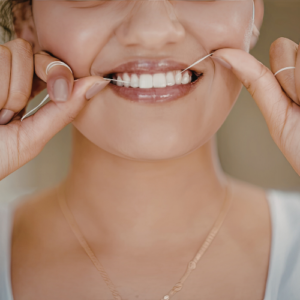
Good oral hygiene is even more important with braces:
- Brush after every meal or at least twice a day. Use a soft-bristled toothbrush and fluoride toothpaste. Gently brush along the gum line and around each bracket. Angle the brush to clean both above and below the wires.
- Floss daily. Flossing removes bits of food between teeth and braces. You can use a floss threader or special orthodontic floss to slide under the wires. An interdental brush or water flosser can also reach places a toothbrush can’t.
- Rinse with mouthwash. A fluoride or antimicrobial mouthwash helps reach areas around braces and prevents cavities. Rinse after brushing to give extra protection against plaque.
Taking just a few extra minutes to clean around your braces after eating can help avoid tooth decay and staining.
Eating and Diet (Refresh)
Remember the rules from when you first got your braces: avoid very hard, sticky, or chewy foods. Continue cutting foods like apples or carrots into pieces, and avoid chewing gum or biting directly into hard foods. If you need to snack, choose braces-friendly options (soft fruits, cheese, yogurt, etc.). Keeping up these habits prevents broken brackets and wires.
Dealing with Discomfort
It’s normal for your mouth to feel tender after braces are first put on and after each tightening or adjustment:
- Eat soft foods. Stick to mashed potatoes, smoothies, soups, and other soft foods for a few days after a tightening to reduce soreness.
- Cold therapy. Sucking on ice chips or enjoying a cold drink can help numb sore areas (avoid chewing ice).
- Pain relief. Over-the-counter pain relievers (like ibuprofen or acetaminophen) can ease discomfort if needed (check with a parent or your doctor first).
- Orthodontic wax. If wires or brackets rub against your cheeks or lips, a small piece of orthodontic wax (provided by your orthodontist) can create a smooth barrier. Pinch off a tiny bit of wax, roll it into a ball, and place it over the irritating part. This will protect your soft tissues until you can schedule a check-up.
Common Issues and Quick Fixes
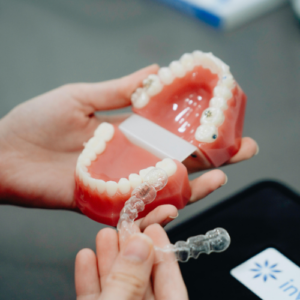
Accidents happen. Here’s what to do if your braces cause a minor problem:
- Poking wire. If an end of wire pokes or hurts your cheek, use clean fingernail clippers or scissors (sterilized with rubbing alcohol) to snip the wire if necessary. Cover the end with orthodontic wax until you can go back to the orthodontist for an adjustment.
- Loose or broken bracket. If a bracket comes off a tooth but is still attached to the wire, leave it in place (or put it back on the tooth with wax). If it comes completely off, save the bracket and bring it to your next appointment. Contact us for advice on when to come in for a repair.
- Lost rubber bands or separators. Sometimes rubber bands, ligatures, or separators fall off. If you lose one, don’t panic. You can usually wait until your next visit, but let us know so we can replace it if needed.
- Mouth irritation. If your lips or cheeks get sore, rinse your mouth with warm salt water (1 teaspoon of salt in a cup of warm water) a few times a day. This soothes irritation and can help heal any small sores.
Keeping Appointments and Retainers
Follow our instructions about wearing rubber bands, headgear, or other appliances. These devices are part of your treatment; wearing them as directed helps avoid delays. Always go to your scheduled appointments so we can make necessary adjustments on time. Once your braces come off, you will likely get a retainer. Wear your retainer exactly as instructed! Retainers hold your teeth in their new positions. Not wearing a retainer as directed can cause teeth to shift back. Taking care of your retainer (clean it daily and store it in its case) is just as important as caring for braces.
Summary Checklist
- Brush and floss daily, especially after meals.
- Avoid foods that can damage braces.
- Use orthodontic wax to cover any sharp or poking parts.
- Eat soft foods and use pain relief after adjustments.
- Attend all follow-up appointments on schedule.
- Wear elastics (rubber bands) and retainers as directed.
With proper care, your braces will work efficiently, and you’ll stay comfortable throughout treatment. By protecting your braces and teeth, you’re investing in a beautiful, healthy smile for the future!
 Current Patient: 954-575-3313